
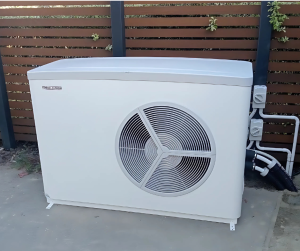
From Gas Boiler to Heat Pump — An update on measured performance.
Project Overview
Location: Wanaka
Original system: Gas boiler hydronic heating
Upgrade: Stiebel Eltron air-to-water heat pump with solar assist
Focus: Reduced gas reliance, improved efficiency, future-proof comfort
Original Build & Heating Design
When the home was originally built, it was equipped with a gas boiler hydronic heating system, a common and proven solution at the time. The system delivered good comfort but relied heavily on gas during winter months.
Energy data from the pre-upgrade period shows:
-
Annual gas consumption exceeding 14,000 kWh
-
Peak winter gas use of 3,000–4,000 kWh per month
-
Gas providing the majority of space heating demand
-
Electricity playing a relatively minor role in winter comfort
While the home performed well thermally, the owners became increasingly conscious of:
-
Rising gas usage during colder months
-
Long-term exposure to fossil fuel pricing
-
Limited ability to leverage on-site solar generation
Rather than waiting for the boiler to fail, the decision was made to proactively upgrade the system.
The Upgrade Strategy
Optum designed a system to work with the home — not against it.
The gas boiler was replaced with a Stiebel Eltron air-to-water heat pump, integrated into the existing hydronic distribution and paired with solar generation already on site.
The design intent was to:
-
Maintain the same comfort level as the original system
-
Dramatically reduce gas consumption
-
Shift the majority of heating demand to electricity
-
Maximise the use of self-generated solar energy
Measured Results — Before & After
Before Upgrade (Gas Boiler – 2022/23)
-
Annual gas consumption: ~14,500 kWh
-
Annual electricity consumption: ~7,200 kWh
-
Gas was the dominant heating source, particularly in winter
After Upgrade (Heat Pump + Solar – 2024/25)
-
Annual gas consumption reduced to ~3,100 kWh
-
Gas reduction of approximately 75–80%
-
Electricity became the primary energy source for heating
-
Solar export regularly offset purchased electricity
Winter performance data showed that even in the coldest months:
-
Heat demand was met predominantly by the heat pump
-
Gas use was reduced to a secondary or backup role
-
Several months ended with electricity usage fully offset by solar export
What Changed in Practice
The most telling outcome was not just cost — but energy behaviour.
Compared with the original gas boiler period:
-
Winter heating was delivered with significantly lower total energy input
-
Gas usage flattened instead of spiking
-
Electricity use increased in a controlled and predictable way
-
Solar generation actively contributed to heating rather than being exported unused
This demonstrates the real-world efficiency of modern heat pump systems when paired with a well-insulated home and solar generation.
Why the Heat Pump Performed Better
Unlike gas boilers, which are typically limited to ~80–90% efficiency, air-to-water heat pumps operate at 300–400% efficiency.
That means:
-
Less energy is required to produce the same level of comfort
-
Energy is used more steadily rather than in sharp winter peaks
-
Solar electricity can be used directly for heating
In this case, the data clearly shows that the home’s heating demand did not increase — only the efficiency of how it was met.
Outcome
This upgrade transformed the home from a gas-reliant system to a predominantly electric, low-gas household, without sacrificing comfort.
✔ ~75–80% reduction in gas consumption
✔ More stable seasonal energy use
✔ Strong alignment with solar generation
✔ Reduced exposure to fossil fuel pricing
✔ A heating system aligned with long-term energy trends
Conclusion
This case study highlights how existing homes can evolve.
The original system wasn’t a mistake — it was simply built for a different energy landscape. By upgrading to a high-efficiency heat pump, the homeowners significantly reduced gas dependence and positioned their home for a more resilient future.
Thinking about upgrading from gas?
Optum designs systems based on real performance data — not assumptions.